on the blog








Why So Many INFJs Suspect They’re Autistic (And Why It Makes Sense)
INFJ or Autistic? Why So Many INFJs Suspect They’re Autistic (And Why It Makes Sense) If you’ve ever thought, “Wait… am I INFJ, or am I autistic? Or both??” — you're not the only one. In this video, I unpack why so many INFJs resonate deeply with traits commonly associated with autism—like sensory sensitivity, social exhaustion, and feeling like an alien on the wrong planet. But I also talk about what’s actually different between the two… especially for women and AFAB folks who’ve learned to mask.

3 Career Struggles Only INFJs Truly Understand (+ What To Do About It!)
Being an INFJ in the workforce can feel like trying to squeeze your soul into a system that was never built for you. In this video, I’m talking about the real career struggles INFJs face—the things we rarely say out loud—and what you can actually do about them. If you’ve ever felt like something is wrong with you because you can’t seem to thrive in typical work environments, this is for you.

5 Sneaky Reasons INFJs Get Stuck in a Rut (And What To Do About It!)
If you’re an INFJ (or just someone who feels like life’s been on pause lately), this video is a must-watch. I’m spilling the five sneaky reasons why INFJs get caught in ruts — those invisible traps that keep you spinning your wheels without moving forward. This isn’t about generic advice. These are real, deep-down truths about how your unique INFJ wiring can sometimes backfire and leave you feeling stuck, overwhelmed, or just… lost.

How I Became a Trauma Therapist
How does someone become a trauma therapist? In this personal story, I share my journey from youth work, homelessness services, and frontline crisis support to counselling and trauma therapy. It's a story about burnout, purpose, healing, and finding the work I was always meant to do.

What Are Glimmers? The Tiny Moments That Help Your Nervous System Feel Safe
We often hear about triggers, but what about glimmers? Glimmers are tiny moments that signal safety to your nervous system and help create a sense of calm, connection, and regulation. Discover what glimmers are, why they matter, and how noticing them may support your emotional wellbeing.
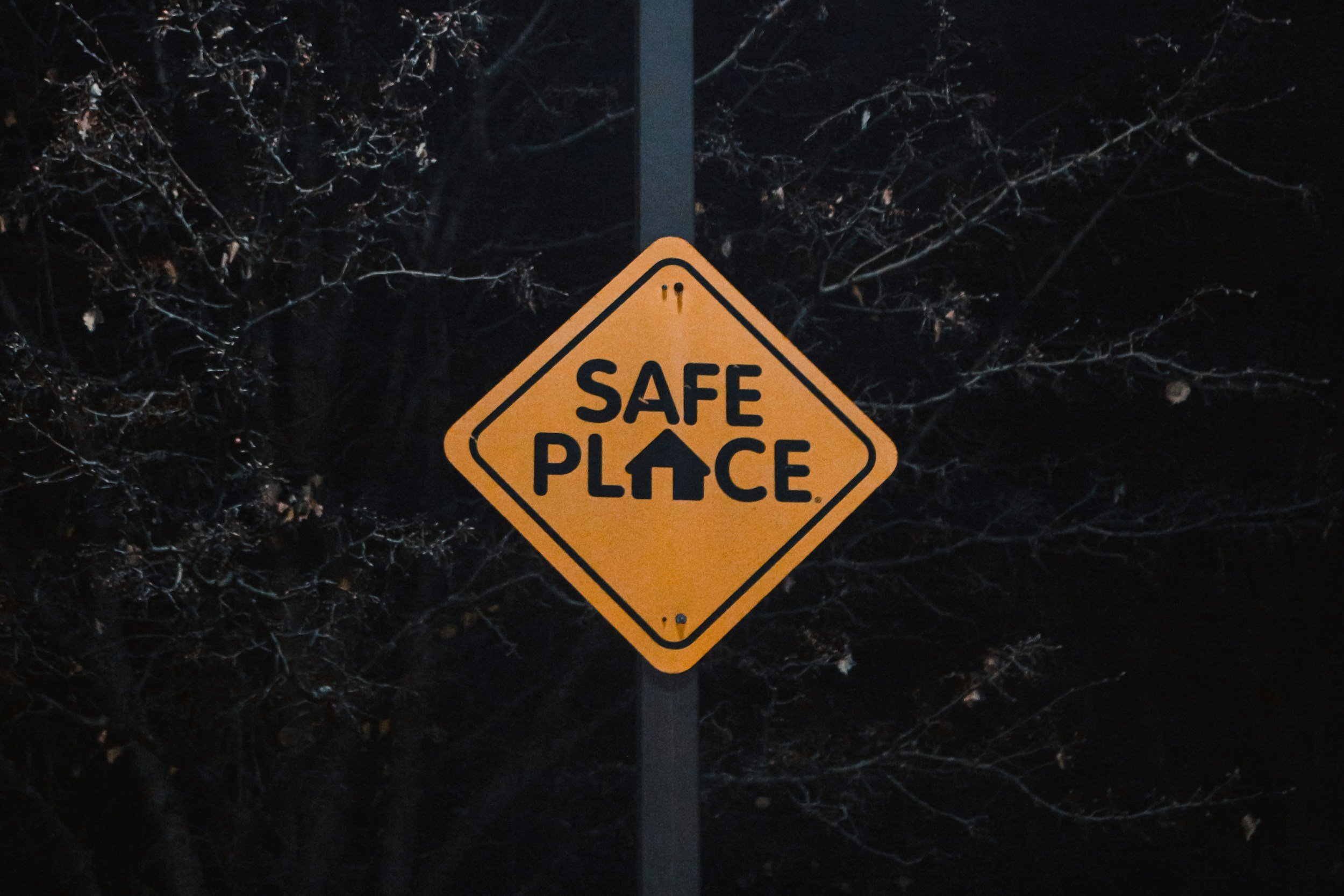
What Does It Actually Mean to Feel Safe?
For many people who have experienced trauma, feeling safe can be a foreign concept. Safety is about more than physical protection. It can influence how we feel within ourselves, our relationships, our bodies, and the world around us. In this article, we explore the different dimensions of safety and how healing often begins through small, repeated experiences of safety over time.

The Anxiety Came Back... And It Taught Me Something Important
After weeks of feeling calm and grounded, my anxiety unexpectedly returned. It wasn't until I looked closely at what had changed that I realised how many of my self-care routines had quietly slipped away. This experience reminded me that real growth often happens in the background, and sometimes we only recognise our progress when life throws us off track.

Break Free from Habits Holding INFJs Back and Grow with Confidence
Guest author Kimberley explores common INFJ habits linked to stress, overthinking, and low self-esteem, with practical strategies for emotional wellbeing, self-care, and personal growth.

The Introvert’s Guide to Staying Grounded Through Constant Change
Guest blogger Kimberly explores how introverts can stay grounded in a fast-changing world. This thoughtful piece highlights resilience, curiosity, mindfulness, and supportive relationships as gentle but powerful ways to adapt without losing your calm or authentic self.

Quiet Strength: Self-Care Rituals for the Introverted Mind and Body
Introverts often thrive in calm, reflective spaces — but in a world that never stops, caring for your energy can feel impossible. In Quiet Strength: Self-Care Rituals for the Introverted Mind and Body, Kimberly Hayes reveals how intentional solitude, gentle body rituals, and mindful boundaries can restore balance, boost clarity, and help introverts reclaim their energy without retreating from life.