
therapy for
neurodivergent adults
late-diagnosed adhd, autism, audhd
(For the parts of you learning to meet yourself with understanding instead of judgement)

if this feels familiar…
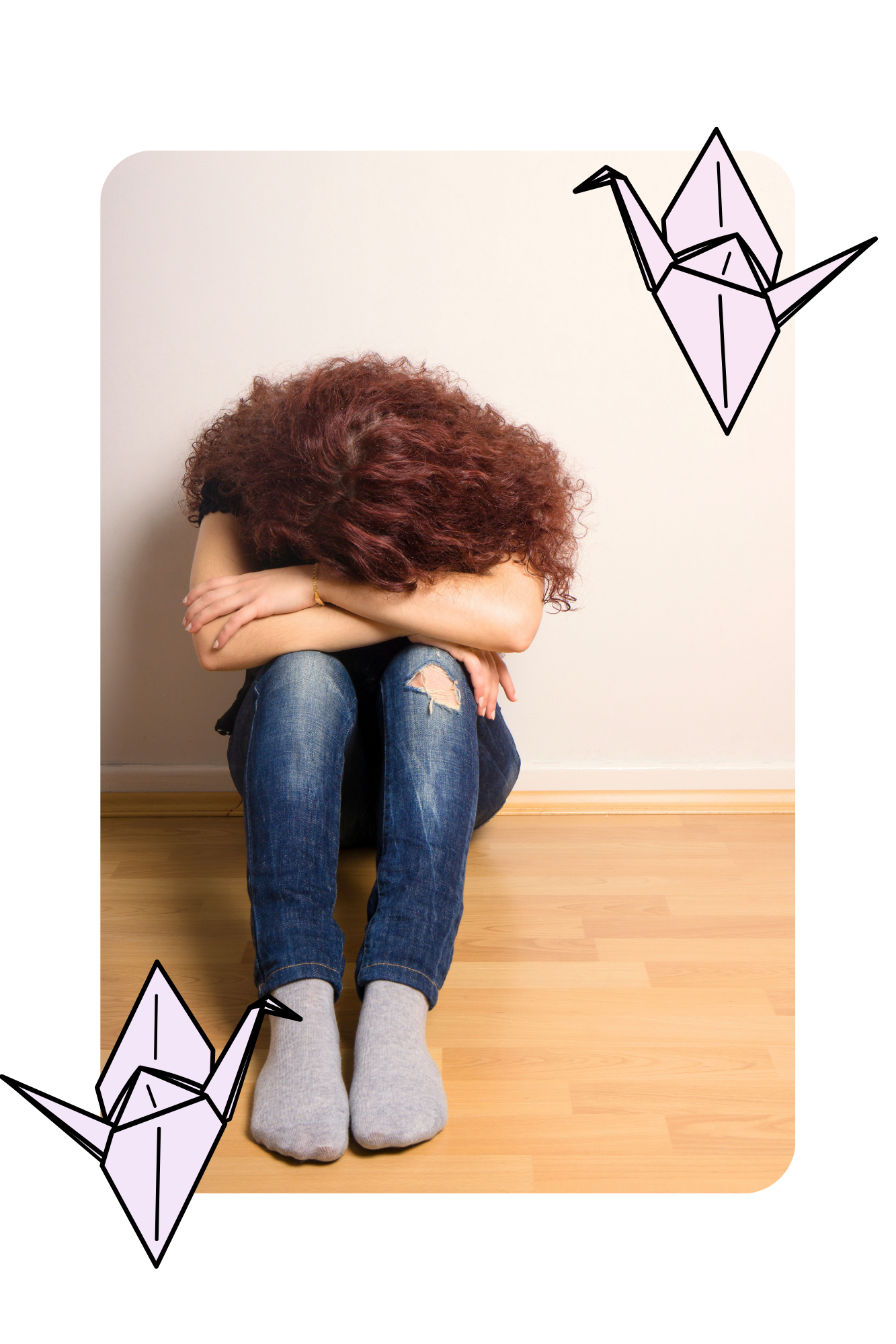
You may have gone through life knowing that something felt different for you; in how you focus, feel, relate, or move through the world.
And even now, it might still feel hard to put that experience into words,
or to understand why some things feel overwhelming, inconsistent, or harder to manage than they seem for others.
Maybe because for a long time, you were expected to adapt
without ever being given the language or support for how your brain actually works.
You might even wonder if you’re “just not trying hard enough”. (You are.)

you might notice in daily life…
feeling like you have to hold yourself together just to get through the day
masking, overcompensating, or performing “okayness” around other people
becoming overwhelmed by sensory input, noise, demands, or too many tasks at once
overthinking conversations, relationships, or how you came across
carrying a lot of self-criticism, or a sense that you’re “not doing things right”
feeling exhausted by things that seem easy for others
needing more recovery time than you think you “should”
feeling mentally “on alert” trying to keep up, keep track, or not miss something important
how your patterns make sense
What you’re experiencing often becomes clearer when we understand how neurodivergent brains adapt to a world that is not always built for them.
For many neurodivergent people — whether late diagnosed, self-diagnosed, or still exploring — attention, energy, communication, sensory processing, and emotional regulation develop through ongoing adaptation over time.
You may have learned strategies like masking, over-preparing, people-pleasing, shutting down, or trying to stay in control just to get through daily life.
These are not wrong. They are adaptations.
And even now, they can show up in work, relationships, stress, overstimulation, or moments that feel like too much.
It can feel like one part of you is steady, while another part reacts as if everything is urgent or overwhelming.



what becomes possible over time
Things don’t usually shift all at once.
But over time, therapy can support you in beginning to feel:
more grounded within yourself
less overwhelmed by emotions, inputs, or demands
more connected to your needs, limits, and energy
less shaped by shame, self-doubt, or comparison
more able to understand and work with your own patterns
a greater sense of clarity, steadiness, self-compassion and self-acceptance
For many neurodivergent people, this isn’t about becoming someone different. It’s about having space to understand yourself more clearly, and to relate to your life with less friction and self-blame.

starting therapy
Reaching out can feel like a big step. I know how nerve-wracking it might feel.
But just so you know:
You don’t need to have the right words (that’s kind of my job!).
You don’t need to have it all figured out (we’ll get there together!).
And you certainly don’t need to talk about your trauma (until you’re ready).
You’re allowed to come exactly as you are.
When you feel ready, you can book a session below — there’s also an option for a free 15-minute meet & greet if you’d prefer to start there.
Or, if you’d like to know a little more first, you can visit the FAQ.
online therapy (telehealth)
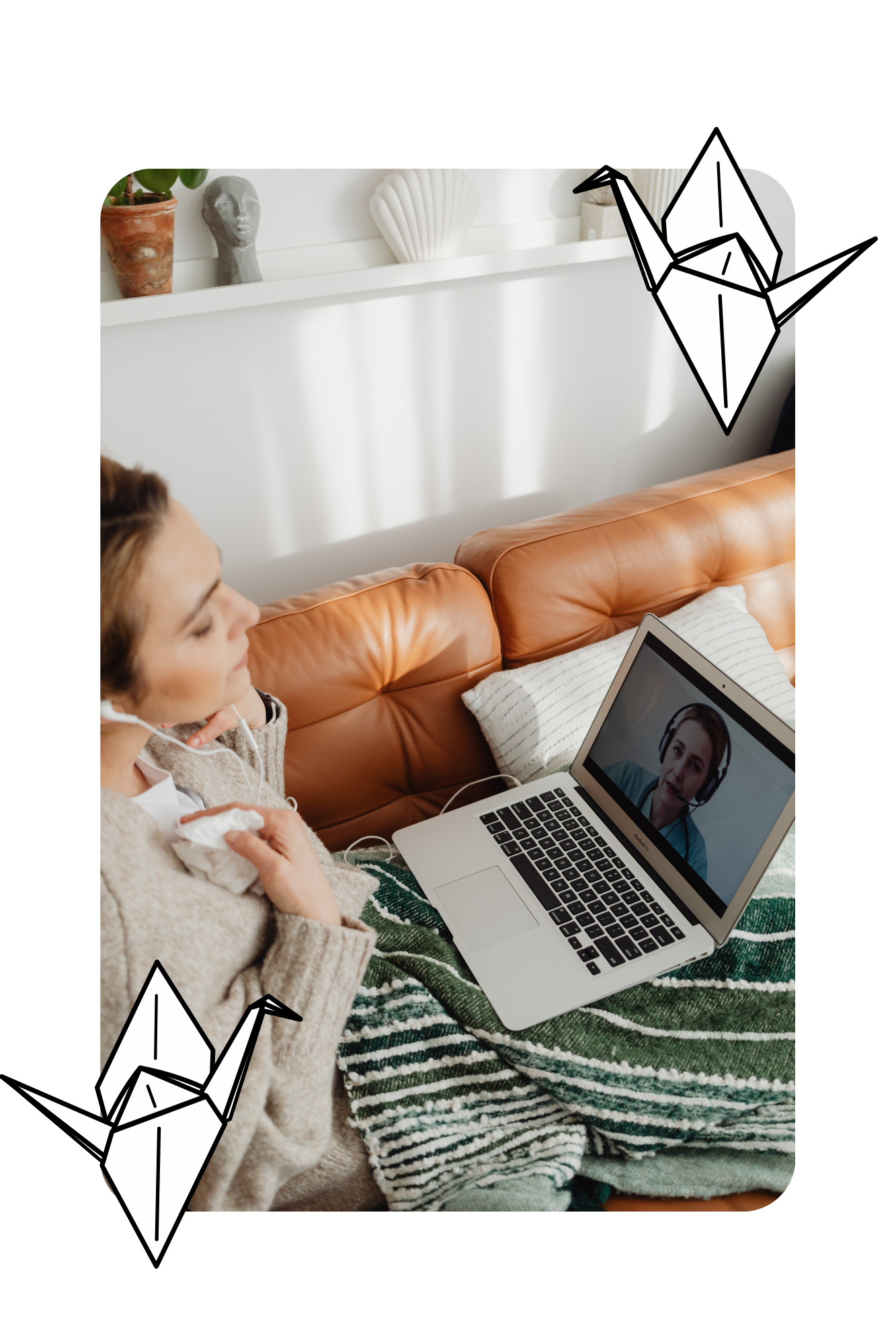
Online Therapy (Virtual Therapy) allows you to access counselling from anywhere in Australia, including major cities, regional, and rural areas.
You can connect with your therapist from the comfort of your own space.
I work with introverted, deep feeling adult survivors of childhood abuse, religious trauma, and late-diagnosed neurodivergent individuals.
Benefits of Virtual Therapy:
feel more comfortable, cozy, and safe
no travel or waiting rooms
flexible and accessible sessions
show up as you are, with a cup of tea and fidget toys if needed
you’re welcome here
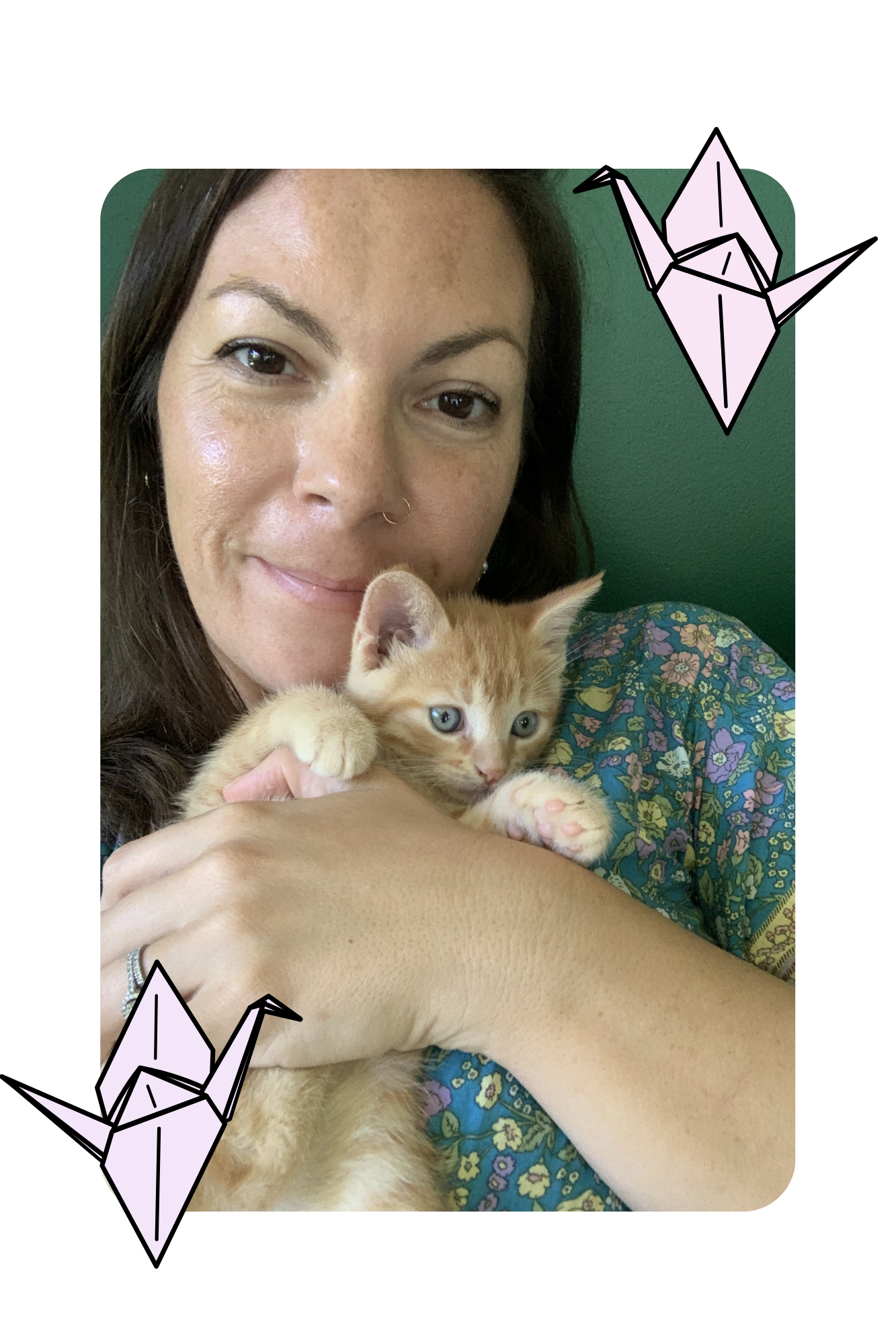
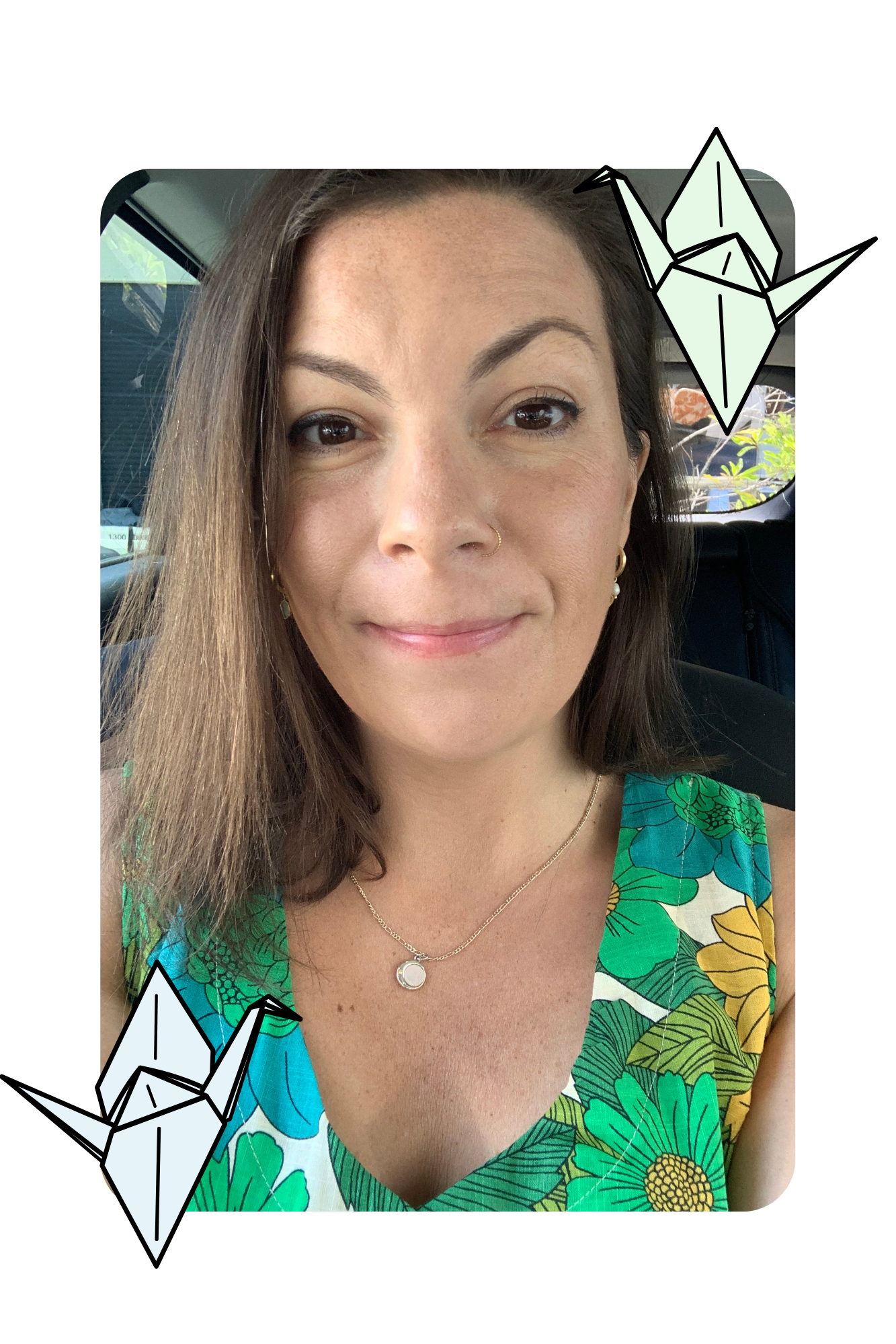
Hey there, I’m Sam.
I’m a Level 2 ACA Registered Counsellor based on the Sunshine Coast in Australia, and I provide online trauma therapy for people who have been through some really hard and overwhelming experiences, like childhood trauma.
I help people to make sense of what they’ve been through, understand their patterns, and move towards healing. Healing is possible, even if you don’t believe that right now.
I’ve worked in the trauma space for over 20 years (in youth work and community services, plus as a therapist), and I understand how heavy it can feel to carry all of this on your own.
You don’t have to do this alone. Together, we create a space where you can explore your story safely, at your own pace.
My work is holistic and trauma-informed, and I often draw on Internal Family Systems (IFS) to help you explore your inner world with curiosity, care and self-acceptance.