
therapy for religious and spiritual trauma
(For the parts of you finding your way back to yourself again.)
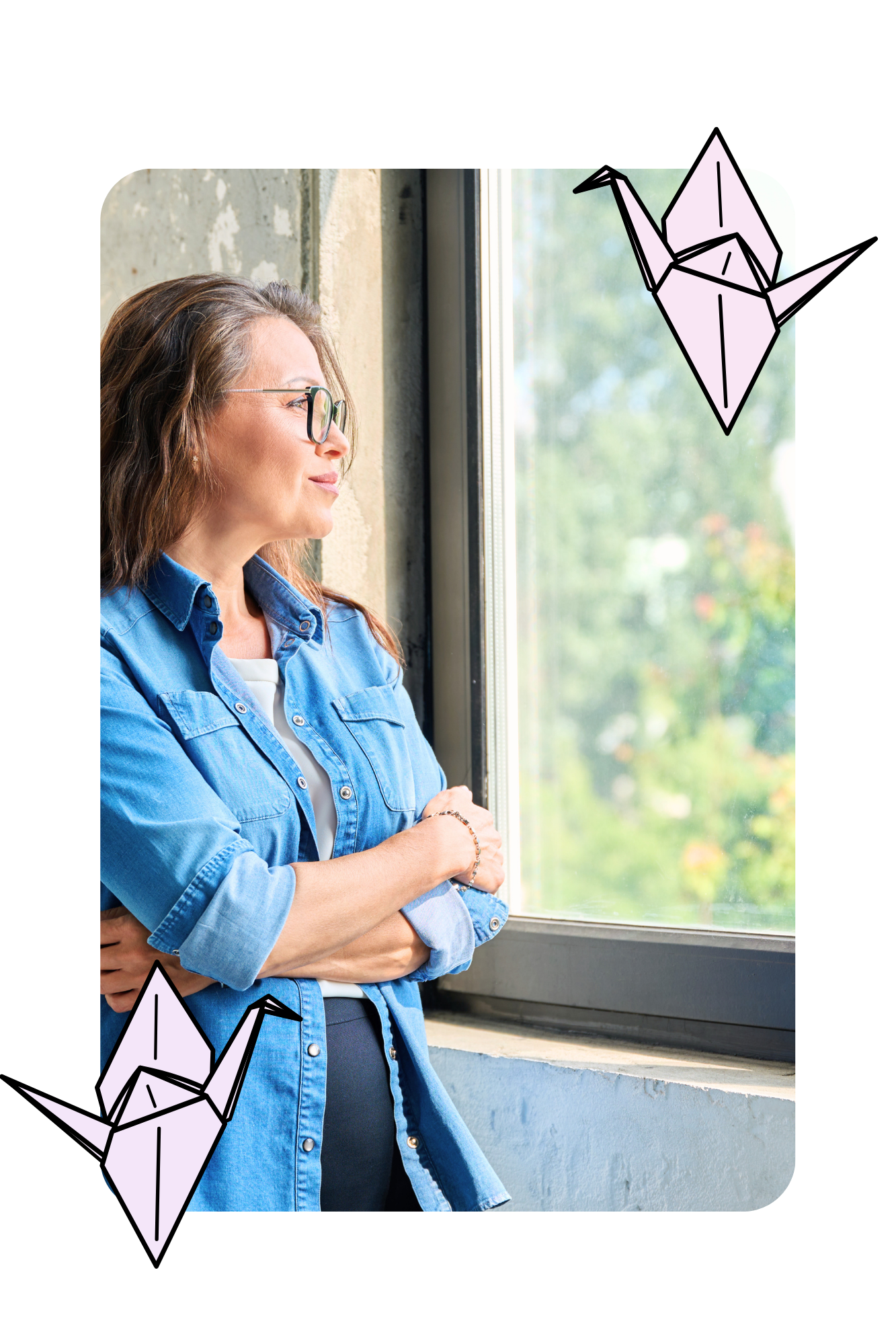
if you've been trying to make sense of what happened
Having spent many years within a Pentecostal megachurch myself, I understand the complexity of questioning beliefs, deconstruction, losing community, and figuring out who you are outside of a system that once shaped so much of your life.
You may have been part of a religious, spiritual, or high-control community where questioning wasn’t encouraged, boundaries weren’t respected, or your sense of self became shaped around what others expected of you.
And even now, it might feel hard to trust your own voice or know what you genuinely believe.
Maybe because so much of it was normalised, spiritualised, or dismissed for so long.
You might even wonder if you’re “making a big deal out of nothing.”
(You’re not.)

feeling anxious or guilty when making decisions for yourself
second-guessing your thoughts, beliefs, or intuition
struggling to trust your own judgement without external validation
feeling disconnected from who you are or what you actually believe
carrying shame, fear, or guilt around your identity or choices
grieving the loss of community, belonging, or relationships after leaving
fear of being judged, rejected, or “getting it wrong”
you might notice

What you’re experiencing often makes more sense when we understand the impact of being part of a religious, spiritual, MLM, cult, or high-control system.
In these environments, belonging, identity, and safety can become tied to belief, behaviour, and authority.
You may have learned that staying connected meant agreeing, complying, or not questioning.
This can happen in churches, cults, MLMs, or coaching and business communities where authority and influence are hard to recognise from the inside.
To cope, you may have adapted by suppressing doubt, people-pleasing, or disconnecting from your own voice.
These responses weren’t wrong. They were ways of staying safe and connected.
And even now, they can still show up in relationships, decisions, and how much you trust yourself.
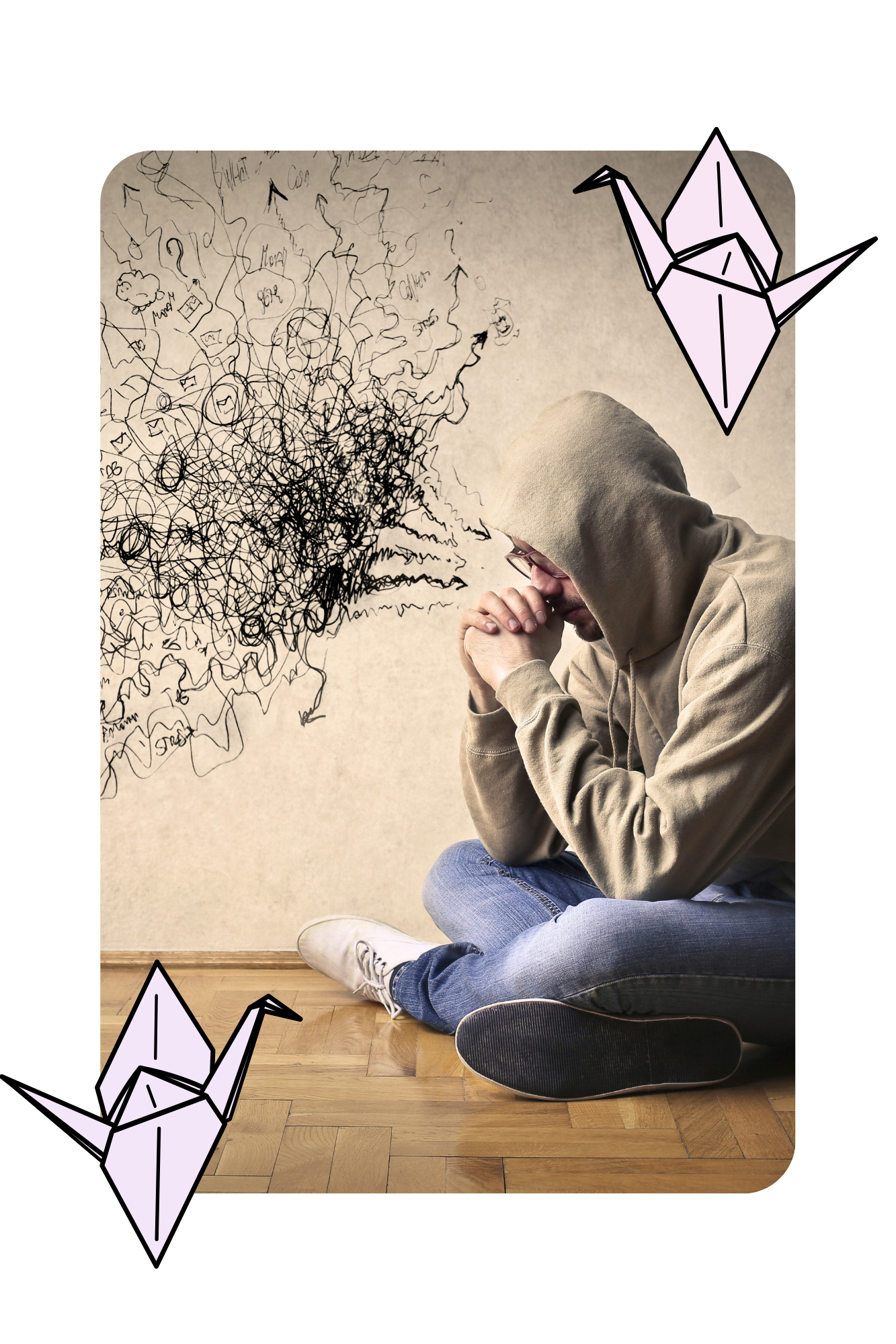
why this can feel so confusing

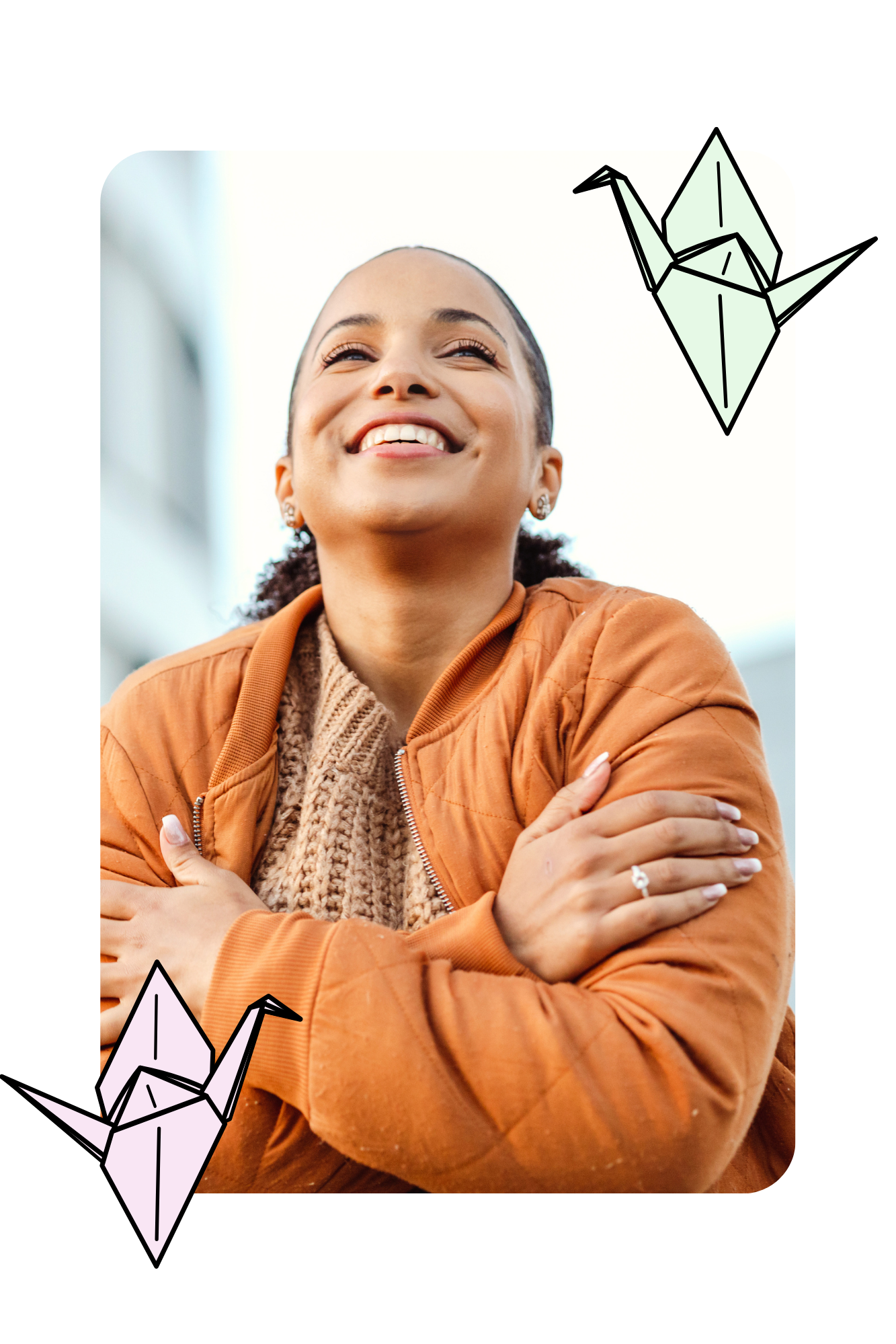
what recovery can look like
Recovery doesn’t usually happen all at once.
But over time, therapy can support you to begin to feel:
safer within yourself and your own decisions
less overwhelmed by doubt, guilt, or internal conflict
more connected to your own voice, needs, and identity
less influenced by fear, shame, or old belief systems
more able to trust yourself after leaving a religious, spiritual, MLM, cult, or high-control environment
more open to exploring your own spirituality and beliefs — in whatever way feels right for you, without guilt or pressure
a greater sense of clarity, stability, and self-understanding
For many people, recovery begins not by forcing themselves to “move on,” but through finally having space to unpack what they’ve been carrying and reconnect with themselves again.

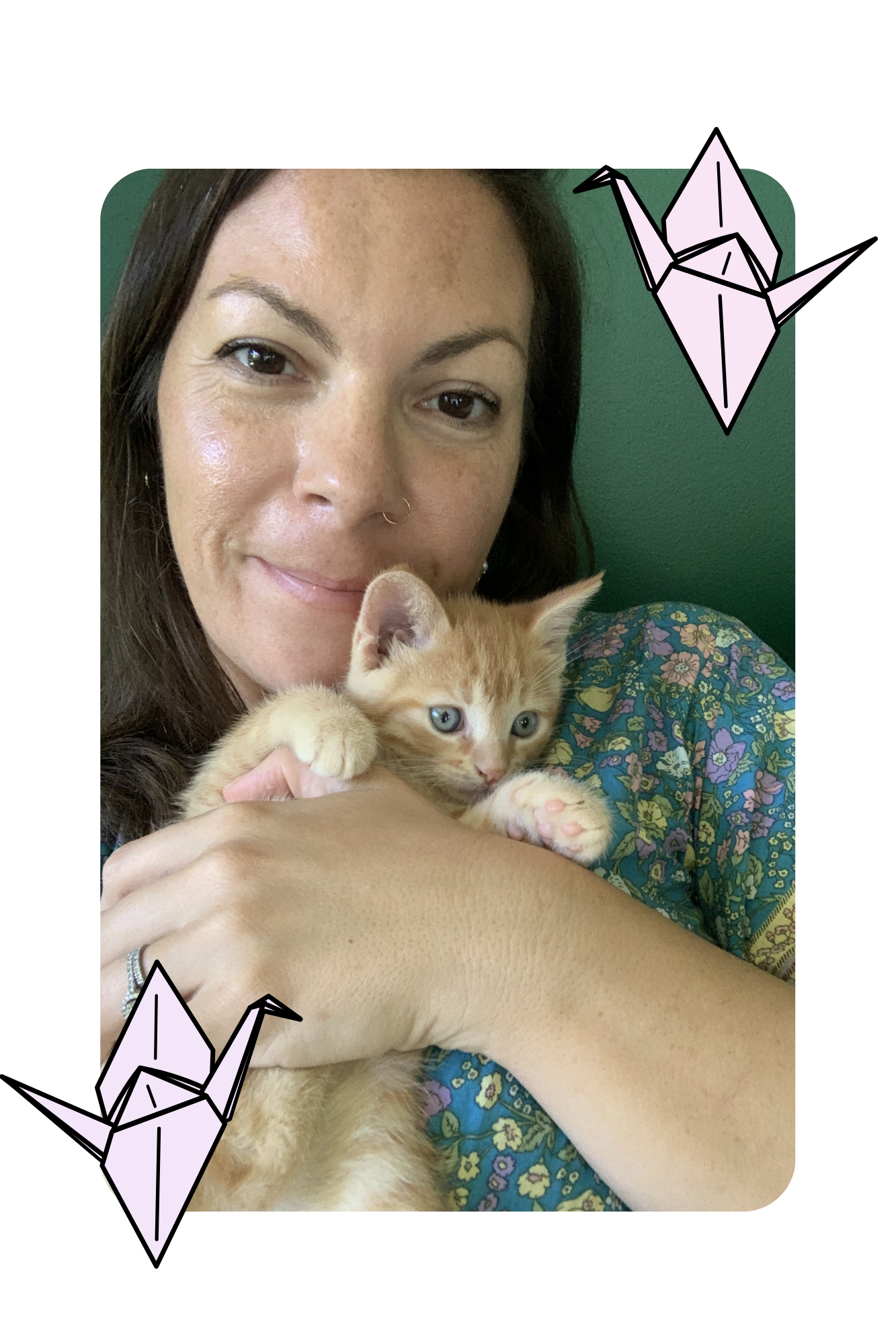
starting therapy
Reaching out can feel like a big step. I know how nerve-wracking it might feel.
But just so you know:
You don’t need to have the right words (that’s kind of my job!).
You don’t need to have it all figured out (we’ll get there together!).
And you certainly don’t need to talk about your trauma (until you’re ready).
You’re allowed to come exactly as you are.
When you feel ready, you can book a session below — there’s also an option for a free 15-minute meet & greet if you’d prefer to start there.
Or, if you’d like to know a little more first, you can visit the FAQ.

online therapy (telehealth)
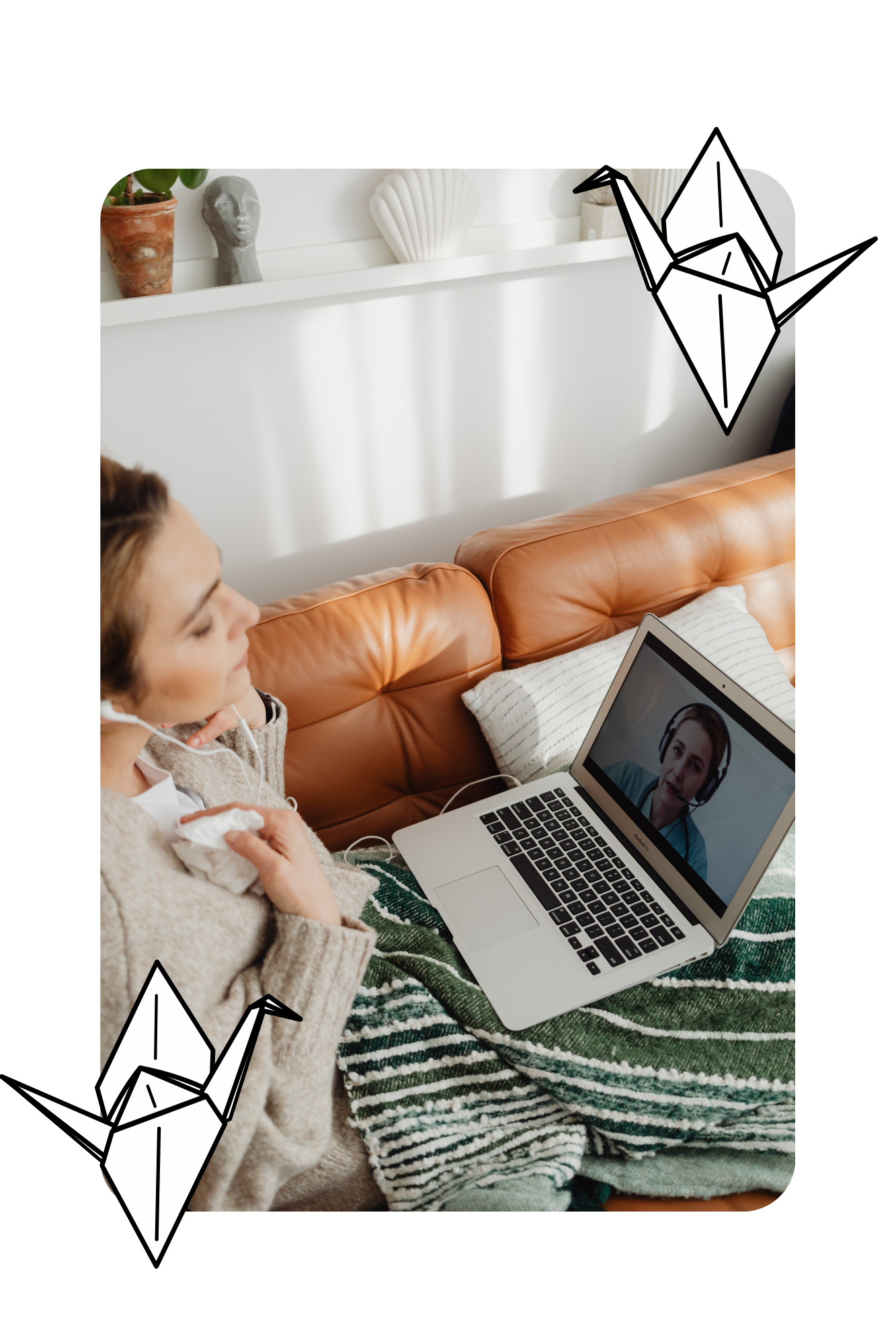
Online Therapy (Virtual Therapy) allows you to access counselling from anywhere in Australia, including major cities, regional, and rural areas.
You can connect with your therapist from the comfort of your own space.
I work with introverted, deep feeling adult survivors of childhood abuse, religious trauma, and late-diagnosed neurodivergent individuals.
Benefits of Virtual Therapy:
feel more comfortable, cozy, and safe
no travel or waiting rooms
flexible and accessible sessions
show up as you are, with a cup of tea and fidget toys if needed
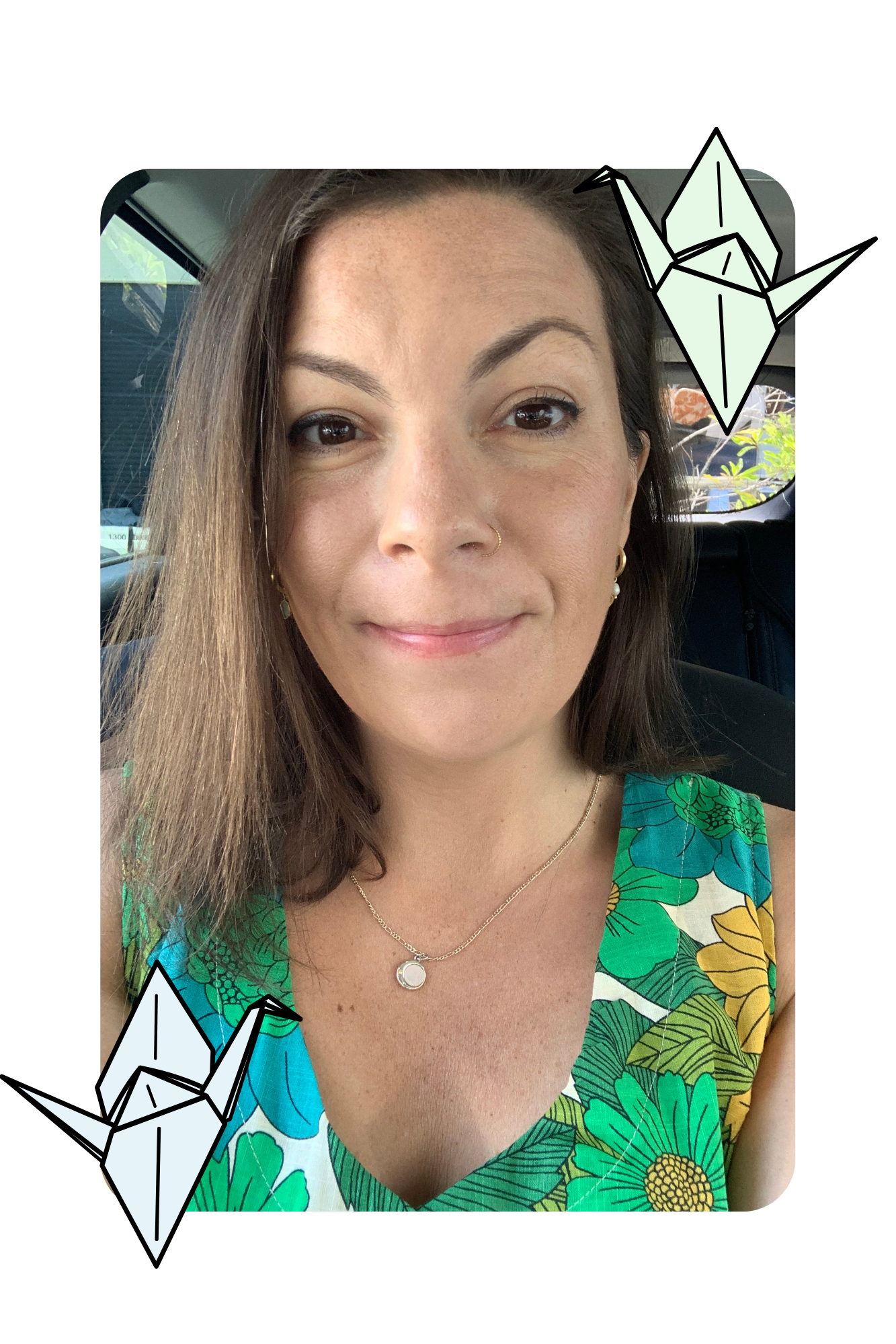
you’re welcome here
Hey there, I’m Sam.
I’m a Level 2 ACA Registered Counsellor based on the Sunshine Coast in Australia, and I provide online trauma therapy for people who have been through some really hard and overwhelming experiences, including childhood trauma.
I help people to make sense of what they’ve been through, understand their patterns, and move towards healing. Healing is possible, even if you don’t believe that right now.
I’ve worked in the trauma space for over 20 years, and I understand how heavy it can feel to carry all of this on your own.
You don’t have to do this alone. Together, we create a space where you can explore your story safely, at your own pace.
My work is holistic and trauma-informed, and I often draw on Internal Family Systems (IFS) to help you explore your inner world with curiosity, care and self-acceptance.